A customer rarely announces they're leaving, a contract just quietly doesn't renew. Here's what actually keeps recurring customers coming back.
Losing a customer in a recurring service business rarely looks dramatic. Nobody calls to complain. A maintenance contract just quietly doesn't renew, or a repeat customer stops booking their quarterly visit and you don't notice until a year later, if at all.
Retention matters more here than in most businesses, because your revenue is built on people coming back on a schedule. A few habits make the difference between customers who stay and ones who drift off without ever telling you why.
Why customers actually leave
It's rarely one bad visit. More often it's a slow accumulation of small friction: a missed appointment window, a technician who didn't seem to know their history, a renewal that lapsed because nobody flagged it, or just silence between visits that makes the relationship feel transactional instead of ongoing.
Knowing this changes what you focus on. You're not trying to prevent one dramatic failure, you're trying to remove the small annoyances that quietly add up.
What actually keeps customers around
Show up reliably. This sounds obvious, but it's the single biggest driver. A customer who can trust your arrival window doesn't go looking for alternatives. One who's been left waiting a few times starts comparing quotes the next time something comes up.
Remember who they are. A technician who already knows there's a dog in the backyard, or that the customer prefers a text over a call, saves an awkward moment and makes the visit feel less like starting from scratch every time. This is less about "personalization" as a strategy and more about just not making the customer repeat themselves.
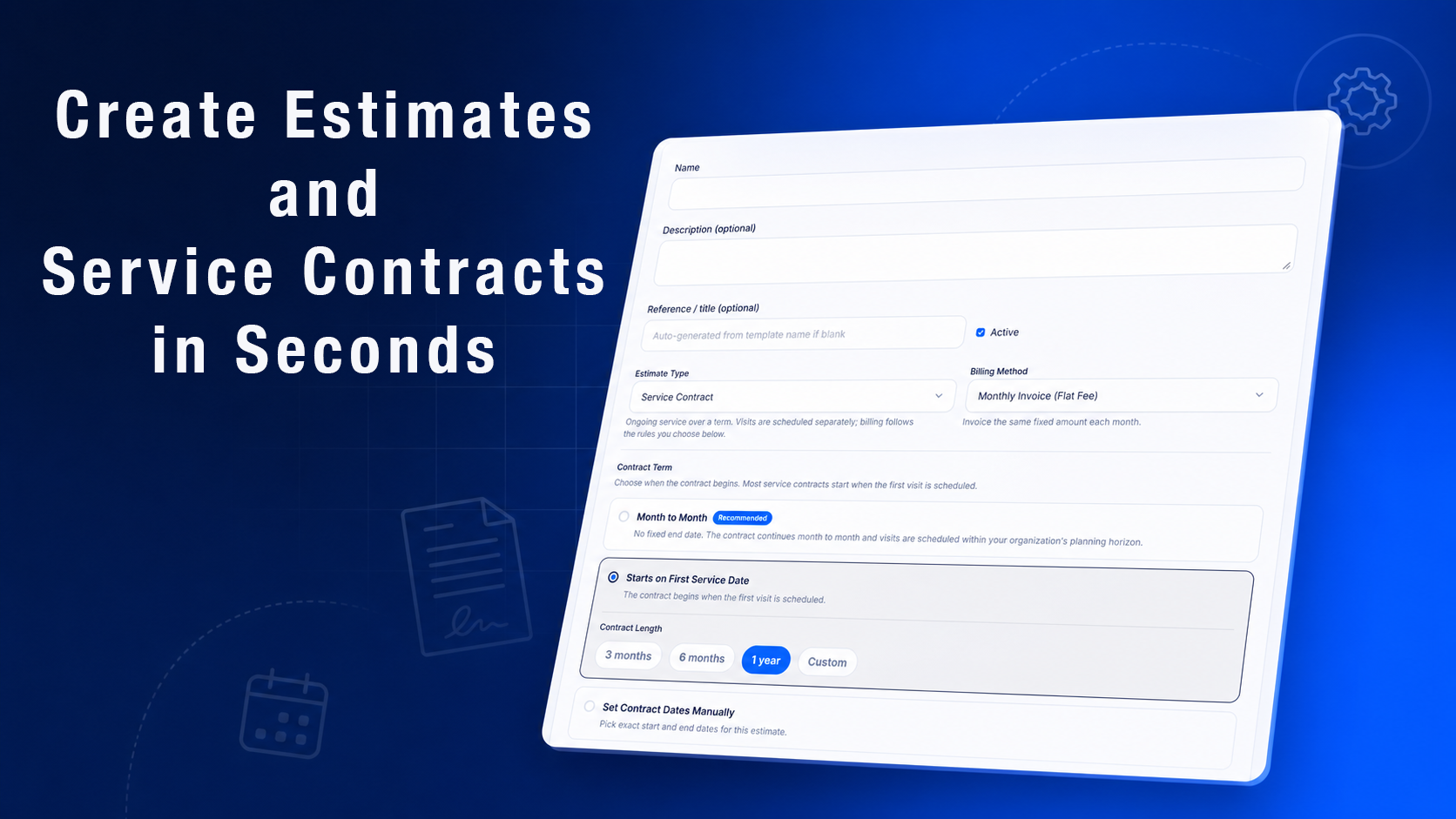
Catch renewals before they lapse. A service agreement that expires quietly is one of the easiest retention wins to lose by accident. A reminder before the renewal date, not after, keeps the relationship going without relying on the customer to remember it themselves.
Reach out between visits, not just during them. A quick check-in a couple weeks after a repair, or a reminder that annual maintenance is coming up, keeps you top of mind without being pushy. It also gives a customer a chance to flag a problem before it becomes a bigger one.
Ask, and actually act on it. A short feedback request after a visit is worth more than a formal survey nobody reads. What matters is whether the feedback changes anything. If a customer mentions the same issue twice, that's worth fixing before it becomes a reason to leave.
Make it easy to reach you. If a customer has to hunt for a phone number or wait on hold to ask a simple question, that friction adds up over the life of the relationship. Fast, easy access to a real answer is often enough on its own.
What's worth tracking
You don't need a dozen metrics here, two or three tell you most of what matters:
Renewal rate. What percentage of expiring contracts actually renew.
Repeat visit rate. For non-contract customers, are they coming back on their own.
Time since last visit. A simple way to spot customers who've quietly gone cold before it's too late to reach back out.
How this works in Momentum FSM
Every customer record in Momentum FSM carries their service history, communication preferences, and any notes your team needs on hand, so a technician isn't starting from zero at every visit. Contracts carry their own renewal logic, so an expiring agreement doesn't depend on someone remembering to check a calendar. And because visit history lives in one place, it's easy to spot a customer who hasn't been back in a while before they've fully drifted away.
None of this replaces doing good work. It just means the relationship doesn't fall apart from things that were entirely avoidable.